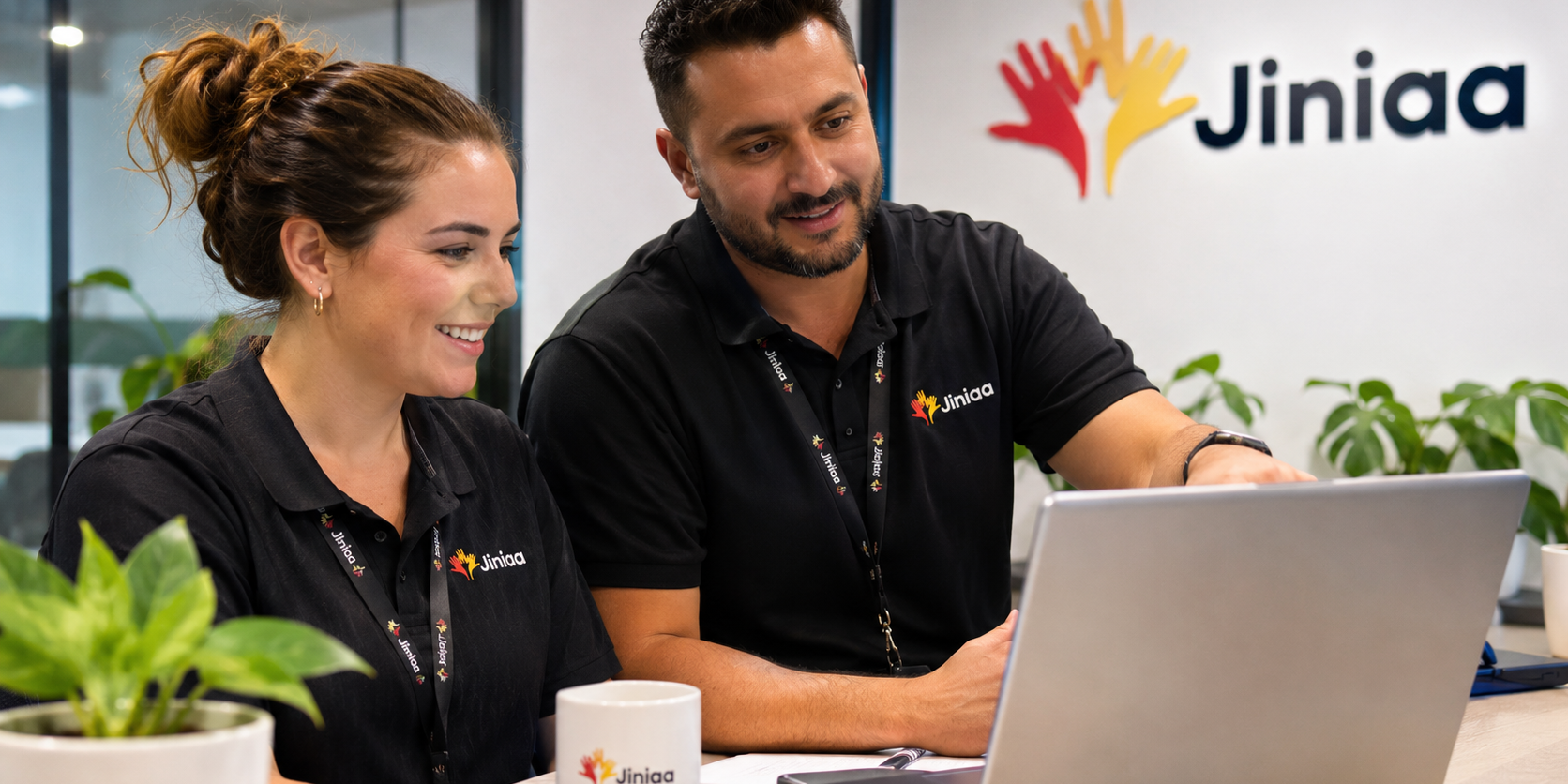
Disability support worker jobs in Australia involve helping people with disability live independently and take part in their community. Most roles ask for an NDIS Worker Screening Check, a Working With Children Check (where required), strong communication skills, and relevant training such as a Certificate III in Individual Support. Career paths range from casual support work to team leader and coordination roles.
What Does a Disability Support Worker Do?
A disability support worker provides practical, emotional and social support to people living with disability. The work is person-centred, which means the participant’s goals, choices and preferences guide what you do each day.
Typical duties include:
- Helping with personal care, meals and daily routines
- Supporting community access, such as appointments, shopping and social activities
- Encouraging independence and life skills
- Assisting with medication prompts (where trained and authorised)
- Writing clear shift notes and following care plans
- Working alongside families, coordinators and allied health professionals
Why Demand Is Growing
The NDIS has increased the need for skilled, reliable workers across Australia. Participants want consistent support from people who understand their needs, and providers need trained staff who can step in at short notice. That is why NDIS support worker jobs continue to be available across metro and regional areas, in casual, part-time, and full-time roles.
Key Skills Employers Look For
Qualifications matter, but employers also hire for attitude. These are the skills that stand out:
1. Empathy and Respect
Treat every participant with dignity and respect their right to make choices, even when you would choose differently.
2. Clear Communication
Listening carefully, speaking simply, and writing accurate notes help keep everyone safe and informed.
3. Reliability and Time Management
Participants and families depend on you. Turning up on time and communicating early about changes builds trust.
4. Patience and Emotional Resilience
Some days are challenging. Staying calm, flexible, and supportive is a core part of the job.
5. Problem-Solving and Observation
Noticing small changes in mood, health, or behaviour lets you respond early and report concerns properly.
6. Teamwork
Support workers work with families, coordinators, therapists and other staff. Good collaboration leads to better outcomes.
Common Requirements for Disability Support Worker Jobs
Requirements vary by role and employer, but most include:
| Requirement | Why it matters |
| NDIS Worker Screening Check | Needed for workers in risk-assessed roles with NDIS participants |
| Working With Children Check | Required for roles involving young people |
| National Police Check | Part of standard pre-employment screening |
| Right to work in Australia | Required by all employers |
| Certificate III or IV in Individual Support or Disability | Often preferred, and sometimes required |
| First Aid and CPR | Commonly requested |
| NDIS Worker Orientation Module | Builds understanding of safe, quality support |
| Driver’s licence and reliable vehicle | Useful for community access roles |
Always check the exact requirements listed in each job advertisement.
Types of Roles in Disability and Youth Support
Many people start in one area and move into another as they gain experience.
Community and In-Home Support
Support participants at home and in the community, with flexible shifts that suit students, parents and career changers.
Supported Independent Living
Provide ongoing support in shared homes, helping participants build skills and confidence.
Residential Care Roles
Residential roles focus on safe, structured, therapeutic environments. Residential youth worker jobs involve supporting young people who cannot live at home, building trust and giving consistent guidance.
Youth-Focused Support
Residential youth care jobs suit people who enjoy mentoring, positive role modelling and helping young people feel safe, heard and accepted.
Career Opportunities and Growth Pathways
Disability support is a career with room to grow:
- Support Worker: build experience across different participants and settings.
- Senior Support Worker: take on more complex support and mentor new staff.
- Team Leader or Shift Supervisor: coordinate rosters, support teams, and quality.
- Support Coordinator or Case Manager: help participants plan and use their NDIS funding.
- Specialised Pathways: move into therapeutic support, behaviour support assistance or allied health with further study.
Ongoing training, mentoring and a supportive agency make a real difference to how quickly you progress.
How to Stand Out When Applying
- Highlight real experience, including volunteering, family caring and community work
- Keep your resume clear, with your checks, licences and certificates listed
- Show your values: respect, patience and reliability
- Prepare examples of handling challenging situations calmly
- Be upfront about your availability and the areas you can travel to
Why Work With a Specialist Agency?
A specialist agency helps match you with roles that suit your skills and availability. At Jiniaa, our staff receive regular training and mentoring, and are supported to deliver respectful, person-centred care. You can explore current openings on our Careers page, or learn more about our NDIS services and youth staffing solutions.
Frequently Asked Questions (FAQ)
What qualifications do I need for disability support worker jobs in Australia?
Many employers prefer a Certificate III or IV in Individual Support or Disability, but some hire motivated people with relevant experience and offer training. You will usually need an NDIS Worker Screening Check and other background checks.
Do I need experience to start working as an NDIS support worker?
Not always. Entry-level roles may accept candidates with strong values, reliability and a willingness to learn. Lived experience, volunteering or family caring can also count.
What is an NDIS Worker Screening Check?
It is a national check that assesses whether a person who works with NDIS participants poses a risk to their safety. Workers in risk-assessed roles must hold a clearance.
Are disability support worker jobs full-time or casual?
Both. Many roles are casual or part-time with flexible shifts, including mornings, evenings, weekends and overnight. Full-time positions are also available.
What is the difference between a disability support worker and a residential youth worker?
A disability support worker assists people with disability across all ages. A residential youth worker supports young people in residential settings, often with a focus on safety, stability and mentoring. Some roles combine both.
Can I build a long-term career in disability support?
Yes. You can progress to senior support worker, team leader, support coordinator or move into therapeutic and allied health pathways with further training.
What personal qualities make a good support worker?
Empathy, patience, reliability, clear communication and respect for a person’s choices are the qualities employers value most.
How can I find disability support worker jobs near me?
Browse job boards, check specialist agency career pages, and register your interest with agencies that recruit in your area. Keep your documents ready to speed up the process.
Conclusion
Disability support work is meaningful, flexible, and full of opportunity for people who care about making a real difference. With the right skills, screening checks, and training, you can start a rewarding career and grow into leadership or specialist roles over time. If you are ready to take the next step, explore residential youth worker jobs and other opportunities with a team that values and supports its staff.
Contact Jiniaa today on Email contact@jiniaa.com.au | Phone 1800 546 422